Frozen Streets and Flickering Lights: Winter Storm Fallout Hits Louisville Neighborhoods
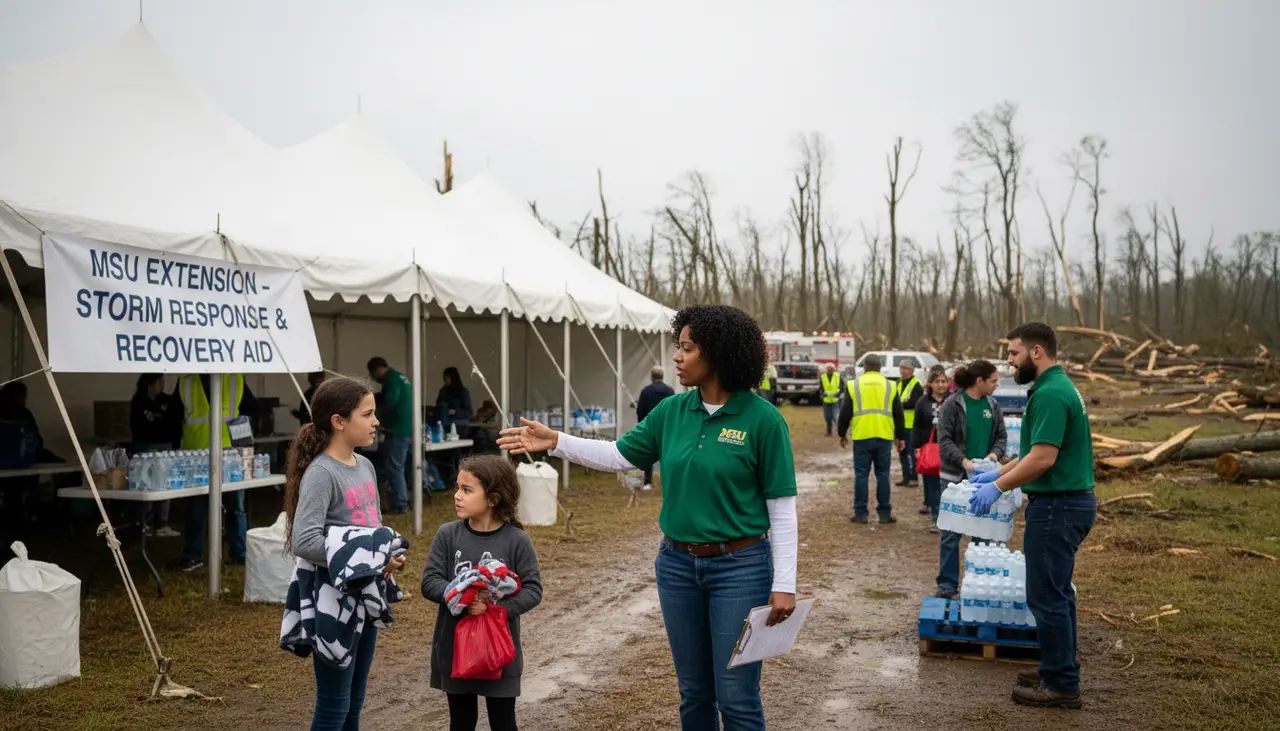
It’s just after 7 a.m. on South Church Street, near the intersection with East Main, in the heart of Louisville’s historic downtown district. The bitter cold lingers, and the faint hum of generators buzzes from homes still without power. Around the corner in the Chestnut Hills neighborhood, residents shuffle through icy sidewalks, clutching bags of supplies from the local MSU Extension office. The scene is quiet but tense — a stark reminder that the January 23-27 winter storm’s damage is far from over.
What Happened in Louisville and Surrounding Areas
Between January 23 and 27, a severe winter storm swept across north Mississippi, including Louisville and its surrounding counties. According to the Mississippi Emergency Management Agency (MEMA), 438 homes, 30 businesses, and 23 farms across 51 counties suffered damage or destruction. Power outages peaked at 180,000 statewide, with approximately 27,000 still without electricity as of February 4.
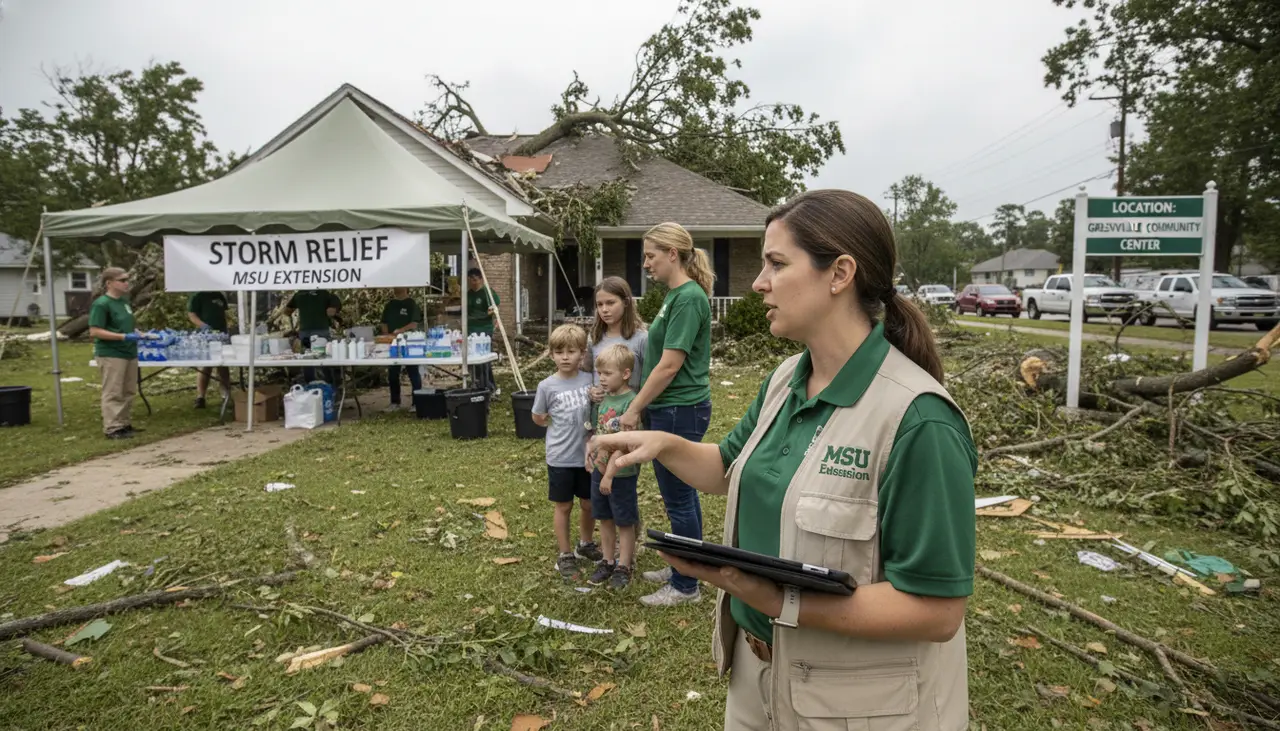
In Tippah County, just northeast of Louisville, MSU Extension agent Brandon Alberson helped convert county fairgrounds buildings into warming centers by connecting generators to keep residents safe and warm. Alberson worked closely with county emergency management coordinator Tom Lindsey to provide meals and supplies to those trapped by the ice and freezing rain. Over three days, volunteers distributed nearly 9,000 meals, and similar efforts were mirrored in Grenada and Lafayette counties, where shelters served more than 70 residents each.
Locally, the North Mississippi Research and Extension Center has become a critical hub, hosting a mobile command center for the U.S. Army Corps of Engineers to deploy generators and resources across affected counties. MSU Extension and the Mississippi National Guard have stationed teams at these centers, including the Lafayette County office, which remains among the hardest hit.
Why This Matters to Louisville Residents
If you live near neighborhoods like Chestnut Hills or along South Church Street, you already know how fragile daily life can become when power goes out and roads freeze. The damage from this storm is more than an inconvenience — it’s a threat to your safety, your home’s integrity, and your finances.
Without reliable heat, the risk of hypothermia rises sharply, especially for elderly residents and families with young children. Frozen pipes can burst, causing costly water damage to homes on streets like East Main and Maple Avenue. Loss of power disrupts communication and can delay emergency response times, leaving residents isolated when they need help most.
Businesses along key corridors such as North Church Street face extended closures, threatening livelihoods and local services. Farms outside of the city, including those reported damaged by MEMA, risk losing crops and livestock, which impacts food supply and local economy.
Ignoring these risks or delaying action can multiply problems. Structural damage left unaddressed may lead to unsafe living conditions. Delays in reporting damage can slow insurance claims and recovery funds, leaving households without necessary repairs or support.
If This Happens to You: Immediate Steps to Take
- Check your home for any visible damage, especially burst pipes or roof leaks. If you find water damage, turn off your main water valve immediately to prevent flooding.
- Use battery-powered or generator-powered heating cautiously. Never use gas stoves or grills indoors to avoid carbon monoxide poisoning.
- Contact your utility provider to report outages or downed power lines. Stay clear of any fallen wires and keep children and pets away.
- Seek shelter at designated warming centers such as the MSU Extension office on South Church Street if your home is unsafe or without heat.
- Document all damage with photos and written notes for insurance claims. This will be essential if you need professional assistance later.
- Stay informed through local channels, including MSU Extension social media and MEMA updates, for information on supply distribution and emergency services.
- If you rely on medical devices that require power, arrange for alternative power sources or contact local health services immediately.
When Professional Help Becomes Necessary
Some situations demand expert attention beyond what you can handle alone. You need to contact licensed contractors if you notice structural damage like compromised roofs, walls, or foundations. Attempting to repair these yourself risks injury and can worsen damage, affecting your home’s safety and insurance coverage.
If your property has suffered water damage from burst pipes or flooding, professional restoration services are critical to prevent mold and long-term health hazards. Don’t delay calling water damage specialists, as untreated moisture can cause irreversible harm within days.
Legal assistance becomes necessary if you encounter disputes with insurance companies over claims or face landlord-tenant conflicts due to storm damage. Early consultation with a lawyer can protect your rights and help navigate complex recovery processes.
For farms and timber owners affected by the storm, MSU Extension forestry specialists will soon offer online training to help agents assist with damage assessments. However, consulting professional planners and agricultural consultants is crucial for managing long-term recovery and financial impacts.
Local Context: Why Louisville Residents Should Pay Attention Now
Residents in Louisville pass daily through neighborhoods like Chestnut Hills, along streets such as South Church and East Main, where the storm’s aftermath is still visible. The local MSU Extension office and emergency management teams remain active, but community resilience depends on residents recognizing risks and acting promptly.
Delaying repairs or ignoring safety warnings can lead to worsening conditions, increased costs, and prolonged hardship. Whether you live near the historic downtown district or in the outskirts bordering Tippah and Lafayette counties, the storm’s impact is close to home and demands your immediate attention.
Where This Is Happening in Louisville
The primary areas affected include neighborhoods around South Church Street and East Main Street, key corridors that connect Louisville’s downtown with surrounding residential zones like Chestnut Hills and Maple Avenue. The MSU Extension office on South Church serves as a local anchor, coordinating relief efforts and distributing supplies.
Residents commuting through these streets or visiting landmarks such as the Louisville City Hall or the Tippah County Fairgrounds will notice ongoing recovery activities, including warming centers and supply distribution points. These locations remain critical for accessing assistance and information as recovery efforts continue.